The History Of American Buffet Food
Buffet's have become a popular part of the American Cuisine - but what do you really know about them?
Observers close to the food and restaurant industry are watching their bottom line shrink, with profits expected to be lost due to new taxes that went into effect on January 1st. With Obamacare putting a halt to hiring and forcing some managers to cut staff and hours, the industry was already forecasting a pale 2013. But now with the reversal of the payroll tax holiday that eats an additional 2% from employees take-home check, the companies and supervisors that manage the nations biggest restaurant chains are fearful for what that will mean for their bottom line. Rising gas prices don't help, either.
If you're like most people, you dine out for at least one meal a week in a restaurant. And, you'd like to think that the food and the environment is as safe and clean as your own home. Unfortunately, it's no surprise that they're not - and a recent study sheds light on the "most-germiest" places in a restaurant. The worst part: The restroom isn't in first place!
Just like neckties, hem-lines, and fashions the food world isn't immune to trends. It looks like an old favorite is gaining popularity in five-star restaurants as carrots are showing up on more and more plates in some of the trendiest establishments.
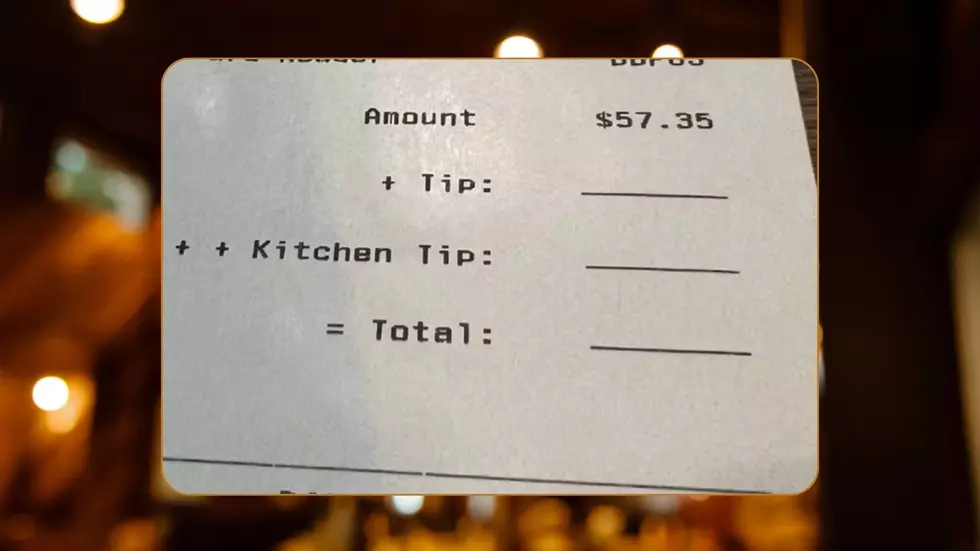
The rules of tipping in restaurants vary among nations and culture. In the United States, 15 percent is considered customary for average service.
However, a new ’60 Minutes’/Vanity Fair Poll 990 American adults has found that a good chunk of diners typically give more or less than that percentage.
The Beatles swept America when they first hit the Ed Sullivan Show in 1964. Now - almost 50 years later, Beatlemania is inspiring a new generation of restauranteurs. Face it - rock and roll is big money when it comes to restaurants; To get evidence of that fact one only needs to look at the Hard Rock Cafe as an example.
If you're saying "Foie-WHAT?" after reading the headline, you've probably never eaten the French delicacy that is Foie Gras. Essentially goose liver fat, the food is often used as a luxury ingredient at restaurants that serve haute cuisine or by itself as an appetizer. It's also been banned by the State of California because of the way that some geese are specially-raised to harvest its liver fat. (Like much of the food you eat, you probably don't want to know any of the details.)
Considering a new career field? Food industry observers might suggest that you get the experience necessary to become a sommelier.
What IS a sommelier you ask? Most dictionaries describe a sommelier as someone who's job it is to be knowledgeable about wine
Economists theorize that we've been out of the recession since June 2009. The recovery has been a slow one at best. If the recent news from the restaurant world is any signal, we might be in for an even slower recovery
If the restaurant industry is anything - it's fickle. It's also making a great comeback. On the list of what experts expect to be hot in 2012: breakfast.
At the moment, the breakfast segment makes up 12% of total restaurant sales – or about $42 billion a year, according to research group Technomic
I encountered an article about the rising need for food-related employees in Great Britain, but from what I can surmise, the same need is present here in America. While it's become "trendy" for people to seek out high-profile jobs like chef's and sommeliers, the back-end of the industry has suffered
Food trucks - as those mobile restaurants-on-wheels are called are the "in" thing. Perhaps that's why brick-and-mortar restaurant owners in Buffalo, New York are proposing stricter regulations on them